Fever Treatment
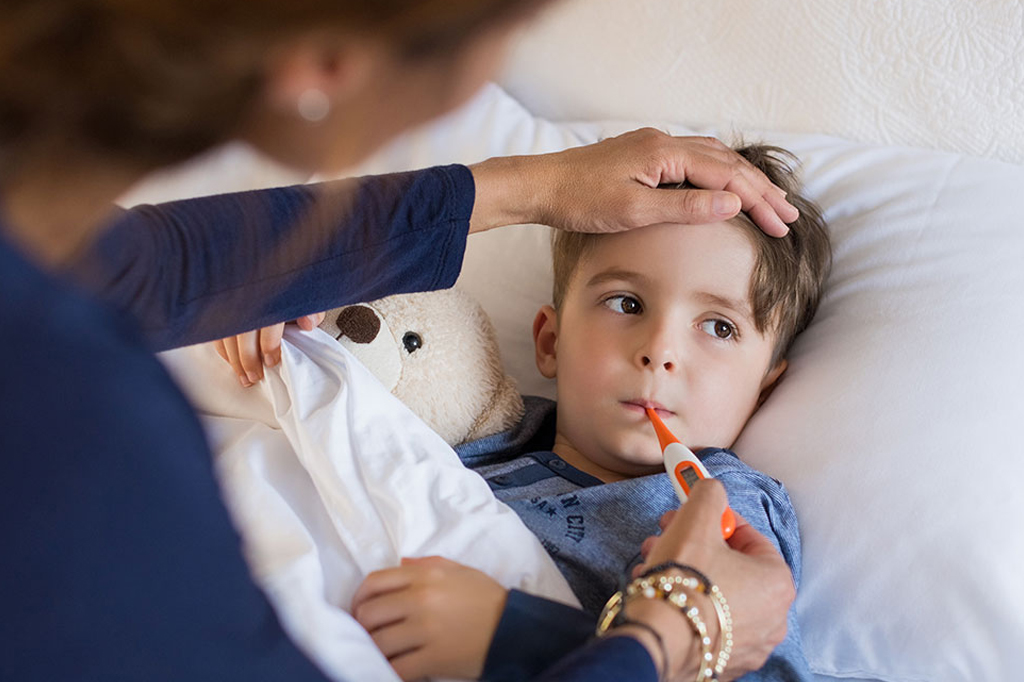
Fever in children is a frequent clinical symptom that usually suggests the presence of an underlying infection or inflammatory process. While many cases are mild and self-limiting, some fevers may indicate more serious conditions that require timely medical evaluation and treatment.
Understanding Fever in Children
- Normal Body Temperature: A child’s normal body temperature is around 98.6°F (37°C) when measured orally, though slight variations are common.
- Fever: A fever is generally considered when the body temperature reaches 38°C (100.4°F) or higher, often as a natural defense mechanism against infection.
Common Causes of Fever in Children
Fever can arise due to multiple causes ranging from simple viral illnesses to more complex bacterial or systemic conditions. The exact cause often depends on the child’s age, immunity, and associated symptoms.
Infectious Causes
Viral Infections:
- Common Cold: Mild fever with sneezing, cough, and nasal congestion.
- Influenza: High fever, body aches, fatigue, and sore throat with sudden onset.
- COVID-19: Fever with respiratory symptoms, fatigue, and sometimes loss of taste or smell.
- Roseola: High fever followed by a rash once the fever subsides.
- RSV Infection: Can cause wheezing, fever, and breathing difficulty in infants.
- Hand, Foot, and Mouth Disease: Fever with mouth ulcers and skin rash on hands and feet.
- Gastroenteritis: Fever with vomiting, diarrhea, and stomach discomfort.
Bacterial Infections:
- Urinary Tract Infection: Fever with pain during urination and abdominal discomfort.
- Pneumonia: High fever with cough, chest pain, and breathing difficulty.
- Meningitis: Severe fever with neck stiffness and altered mental state requiring emergency care.
- Ear Infection: Fever along with ear pain and irritability.
- Sepsis: Serious systemic infection causing high fever and weakness.
- Strep Throat: Fever with throat pain and difficulty swallowing.
Parasitic Infections:
- Malaria: Intermittent fever with chills and sweating.
- Toxoplasmosis: Mild fever with flu-like symptoms due to infection exposure.
Fungal Infections: These are uncommon in children but may cause fever in those with weakened immunity.
Non-Infectious Causes
- Post-Vaccination Fever: Mild fever may occur after immunization and usually resolves quickly.
- Teething: Low-grade fever in infants during tooth eruption.
- Autoimmune Disorders: Conditions like juvenile arthritis may cause recurrent fever.
- Heat-Related Illness: Excess body heat due to prolonged sun exposure or dehydration.
- Medication Reaction: Certain drugs can lead to fever as a side effect.
Symptoms Associated with Fever
Fever may be accompanied by several associated symptoms that help identify its underlying cause:
- Changes in behavior such as irritability or excessive sleepiness.
- Respiratory issues like cough, cold, or breathing difficulty.
- Digestive symptoms including vomiting or diarrhea.
- Skin rashes depending on the infection type.
- Headache or neck stiffness in severe infections.
- Localized pain such as earache or abdominal pain.
- Severe warning signs like poor responsiveness or breathing difficulty require urgent care.
Treatment of Pediatric Fever
Management of fever focuses on treating the underlying cause and relieving discomfort. Most fevers improve with supportive care, but monitoring is essential for early detection of complications.
General Measures
- Maintain proper hydration with fluids like water, breast milk, or oral rehydration solutions.
- Keep the child in a comfortable, cool environment and avoid excessive clothing.
- Ensure adequate rest to support recovery and immune response.